
“Spot the Spats”
Having showcased the ‘Corsair’ of the 30’s and the ‘Aurora’ of the 50’s it was time for a different tack.
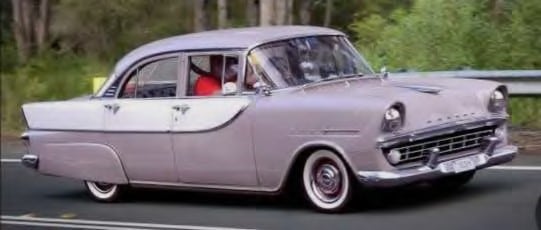
‘Spats’ came to mind. Those lairy add-ons in vogue in the Fifties, especially with the FC-FB Holdens, that mimicked the colour palette of the mid-50’s Chevs.
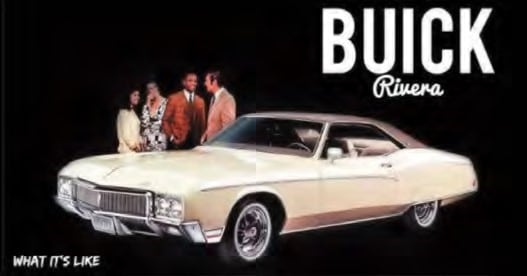
Yet also applied to a variety of 60’s era Buicks, especially the ’67 Skylark and ’70 Riviera. How different the cars looked with their closed in rear wheels. I’ve thought long and hard about this because I have a ’66 Skylark that has been in the club over a few decades, and in the 90’s was described as a ’67.
Now not all ’67 Skylarks had ‘spats’ (‘fender skirts’ in Yankee parlance) but the grille and tail treatment were very different from the ’66. I needed to know for sure mine really was a ’66 Skylark. And the ID plate says it all, no doubt.
Now when it comes to preference, one’s like or dislike of ‘spats’ may well relate to the style of body design that is your preference. Having the rear wheels covered gives more of a sled look, reflecting the ‘kustom car’ era with the Mercurys and the Buicks. On the other hand, an open wheel gives a more muscular look, and perhaps more cohesive too, with all four wheels balancing the ride.
It all started with the ‘fancies of flight’ in the ‘30’s, as aeroplanes, and automobiles sought to defy gravity and be as aerodynamic and streamlined as possible. No-one achieved that more elegantly and extravagantly than the French and Swiss with their fashion houses, bespoke creations that showed incredible flair, and to this day still draw in the crowds. Think Pebble Beach and Amelia Island for starters.
Graham-Paige and Chrysler paved the way commercially in the mid-’30’s, but it was in the ‘50’s that ‘fender skirts’ truly came into vogue. The multi-colour palette of the cars lent itself not only to ‘spats’ but ‘continental kits’, so many of which became an exercise in excess.
Remember when you ordered a new Holden in the late ‘50’s and early ‘60’s, there would be a list of Nasco accessories that would add bling to your wheels. My 4th class teacher had them all on his FC Holden Special, it was hard to know where to look, one was so distracted by all the add-ons. My neighbour across the road told me how proud he was of his FB Holden, he had a swan mascot on the bonnet that lit up at night. So cool!
So imagine my surprise when last Sunday I arrived at Sydney Motorsport Park at Eastern Creek for the Shannons Classic to find a bevy of Holdens sporting spats, together with Falcons, and a whole range of vehicles including a ’46 Buick and a ’35 Armstrong Siddeley. Of course, the XK 140 Jaguar showed them off magnificently, whilst the ’29 Bentley Blower would have looked absurd with them on, even though they came into their own for many luxury cars further down the track. Interestingly a cluster of FE Holdens were more simply adorned, but looked resplendent on the rise with the dramatic cloud formation as a backdrop.
More recently the Chrysler PT Cruiser and the Volkswagen Beetle have had a penchant for these adornments. In the GM – fold, the Electras and Cadillacs utilized these fender skirts to heighten the length of these land-yachts, so too for the full-body Pontiacs, Oldsmobiles and Chevrolets.
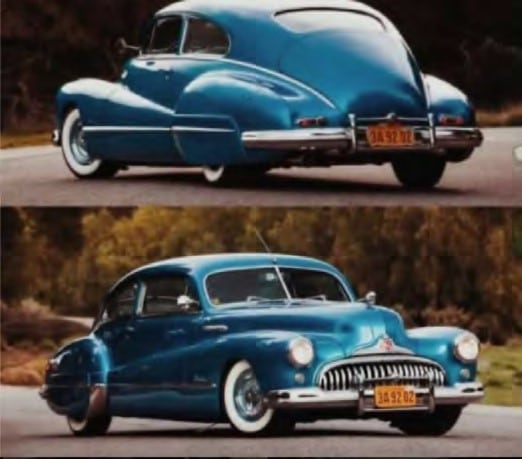
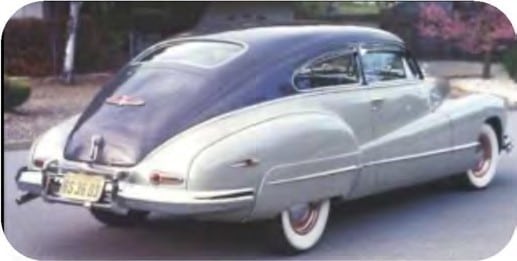
Late ‘40s Buicks with spats
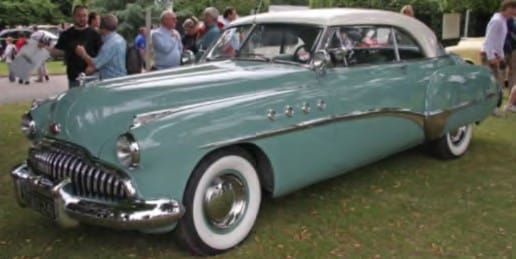
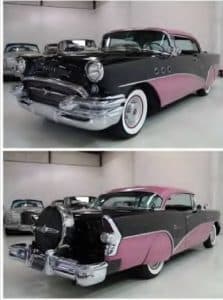
Mid ‘50’s Buicks with spats
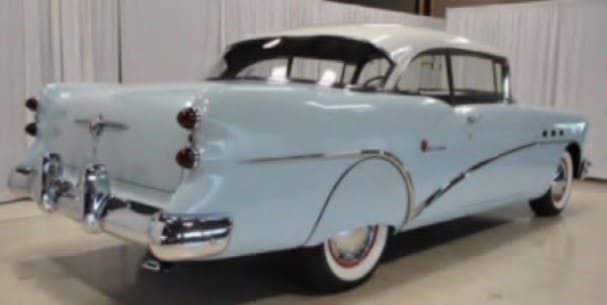
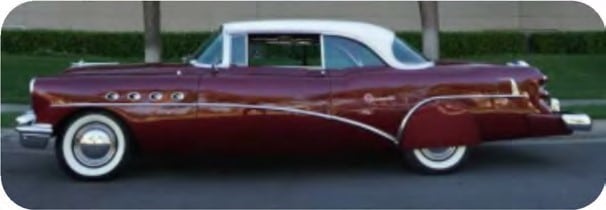
So why did they come, and go. Very simply, they did not necessarily do what they had hoped to. Perhaps the benefit of streamlining did not compensate for the tediousness of removing them if needed (usually in an emergency) When asked by a ’46 Buick owner how he went with changing the tyre, he put it very simply: “I’d sell the car”! Hardly the retort I was expecting. They also added expense, and were no longer in vogue.
It was in the Fifties that spats found their mark, generally as add-ons, think Nasco for Holdens. With the emergence of bi-colour and tri-colour cars in the mid-fifties, they could add bit of glam to your wheels!
In the Sixties, Buick had used spats or half spats on the Electra line, but in 1967 the Skylark showcase what you could do with ‘spats’ as did the 1970 Riviera (think Warren Lee’s and George Fahd’s).
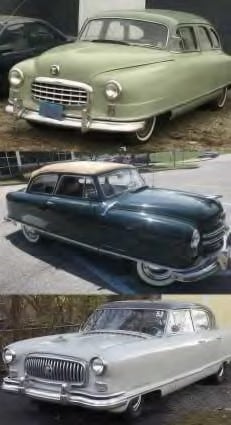
In Britain, ‘spats’ were a distinctive of many cars, including the Armstrong Siddeley. Jaguar loved them on many of their models, think especially the XK series and Mark 2. It was Nash that went the whole hog producing the inglorious bathtubs, that certainly lacked the pizzaz of the French designs. Yes, ‘spats’ often don’t work, causing the car to appear “tacky, strange, outlandish or just plain ugly” , especially on moderns!
1967 Skylark & 1970 Riviera
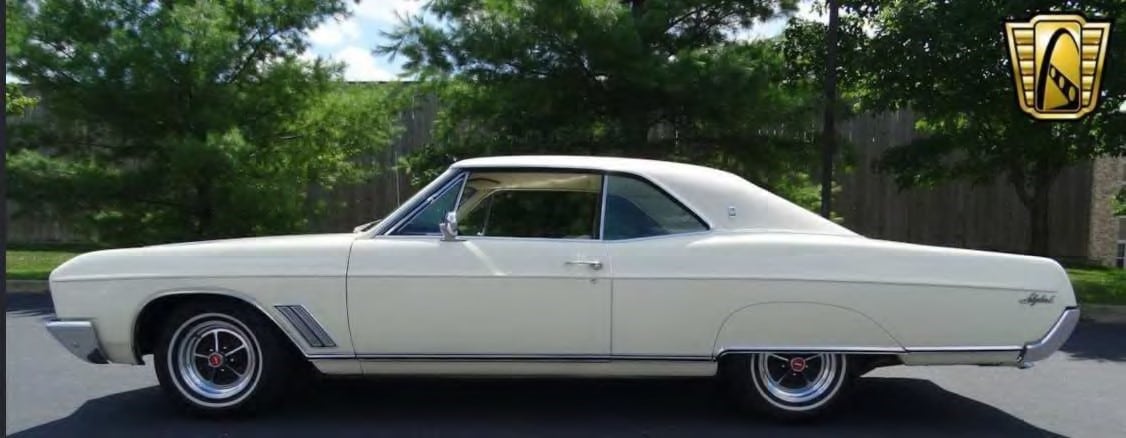
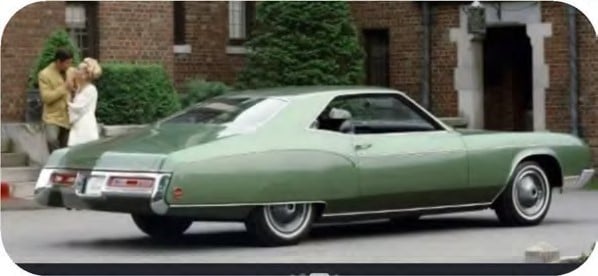
So what’s your take on ‘spats’?
Postscript:
Traditional ‘spats’ (short for ‘spatterdashes’), were cloth or leather coverings worn by men in the 18th to early 20th centuries to protect shoes and socks from mud and splashes. They sat snugly over the top of the foot and ankle. Paul White has a collection. How surprising! So, in Britain and Australia such wheel covers came to be called ‘spats’.
Meanwhile “spats’ were called ‘fender skirts ‘ (or ‘fender curtains’ or ‘fender panels’ ) in America using the analogy of a dress or skirt hanging down over the lower part of the body.
FB Holden – glorious spats:
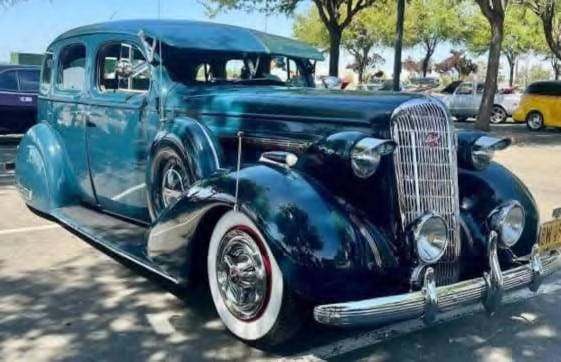
A loaded ‘36 with spats:
Airflyte Nashes – the bathtubs:
By John Saddington (NSW)